Interior Design Trends: How Thoughtful Design Can Transform Your Home, Mood, and Well-Being
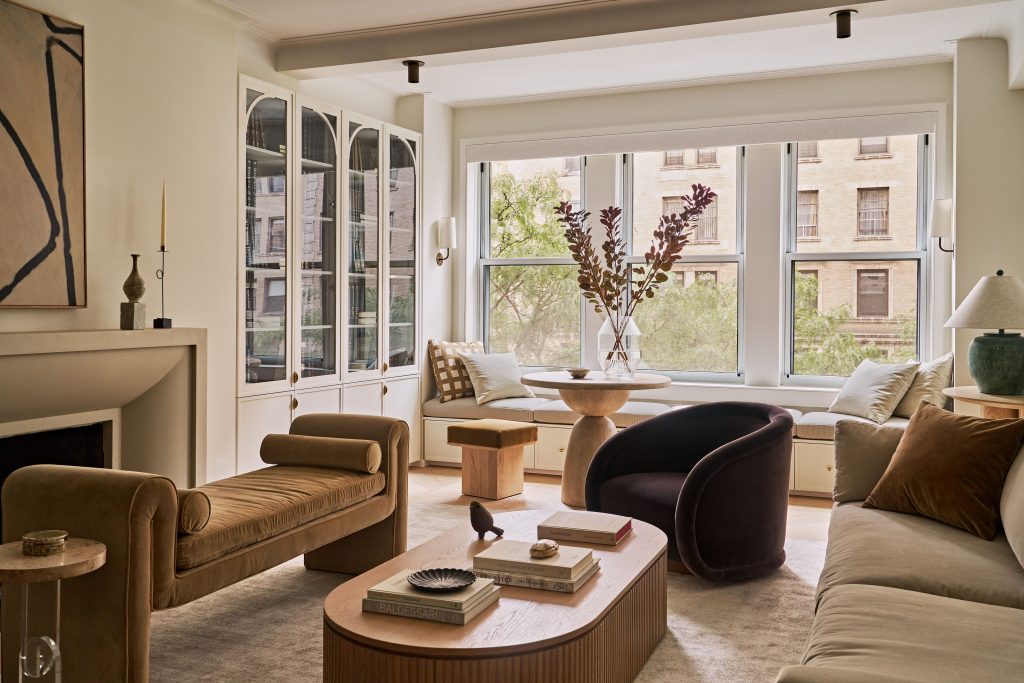
In a world where people spend over 90% of their time indoors, your home isn’t just a place to live—it’s a powerful tool for better mental health, higher productivity, and everyday joy. Recent studies confirm what interior designers have long known: well-designed spaces reduce stress, boost creativity, and even support physical wellness. From biophilic elements that mimic nature to sustainable materials that lower your carbon footprint, 2026 is all about creating homes that feel personal, restorative, and timeless.
Whether you’re refreshing a single room or planning a full renovation, this comprehensive guide draws on real 2026 trends, proven psychological research, and practical tips. Discover how to blend style with substance—and see stunning real-world examples along the way.
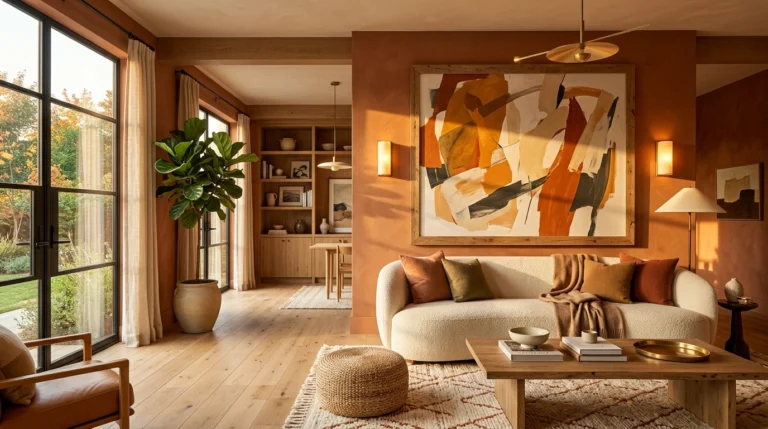
Why Interior Design Matters More Than Ever Good design isn’t just about aesthetics. Research shows that cluttered or poorly lit spaces can spike cortisol levels (the stress hormone) to levels comparable to post-traumatic stress in some studies, while natural light and organized layouts improve mood, sleep, and even cognitive performance. Biophilic design—incorporating plants, natural light, and organic textures—has been proven to reduce anxiety, enhance focus, and speed up recovery from illness. Curved rooms feel more harmonious and inviting than angular ones, encouraging people to linger and relax.
In 2026, designers are prioritizing wellness and aging-in-place features, such as easier navigation, better lighting, and adaptable spaces that support long-term health.
Top Interior Design Trends Defining 2026 This year’s trends move away from stark minimalism toward warmer, layered, and meaningful spaces. Here’s what’s in—and why it works.
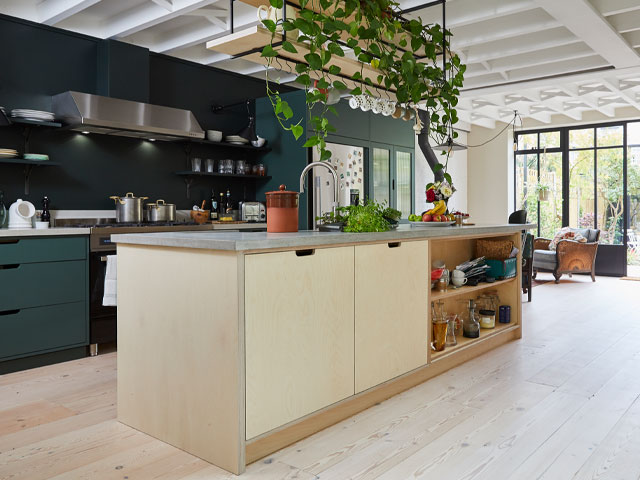
1. Biophilic and Sustainable Design: Nature Comes Indoors Expect an explosion of indoor greenery, natural stone, reclaimed wood, and materials like bamboo or recycled glass. These choices aren’t just beautiful—they improve air quality, reduce stress, and align with eco-conscious living. Sustainable principles include energy-efficient lighting, low-VOC paints, water-saving fixtures, and locally sourced items that minimize environmental impact while supporting human health.
Real example: Kitchens with live plants on open shelving and countertops made from recycled materials create a calm, productive cooking zone.

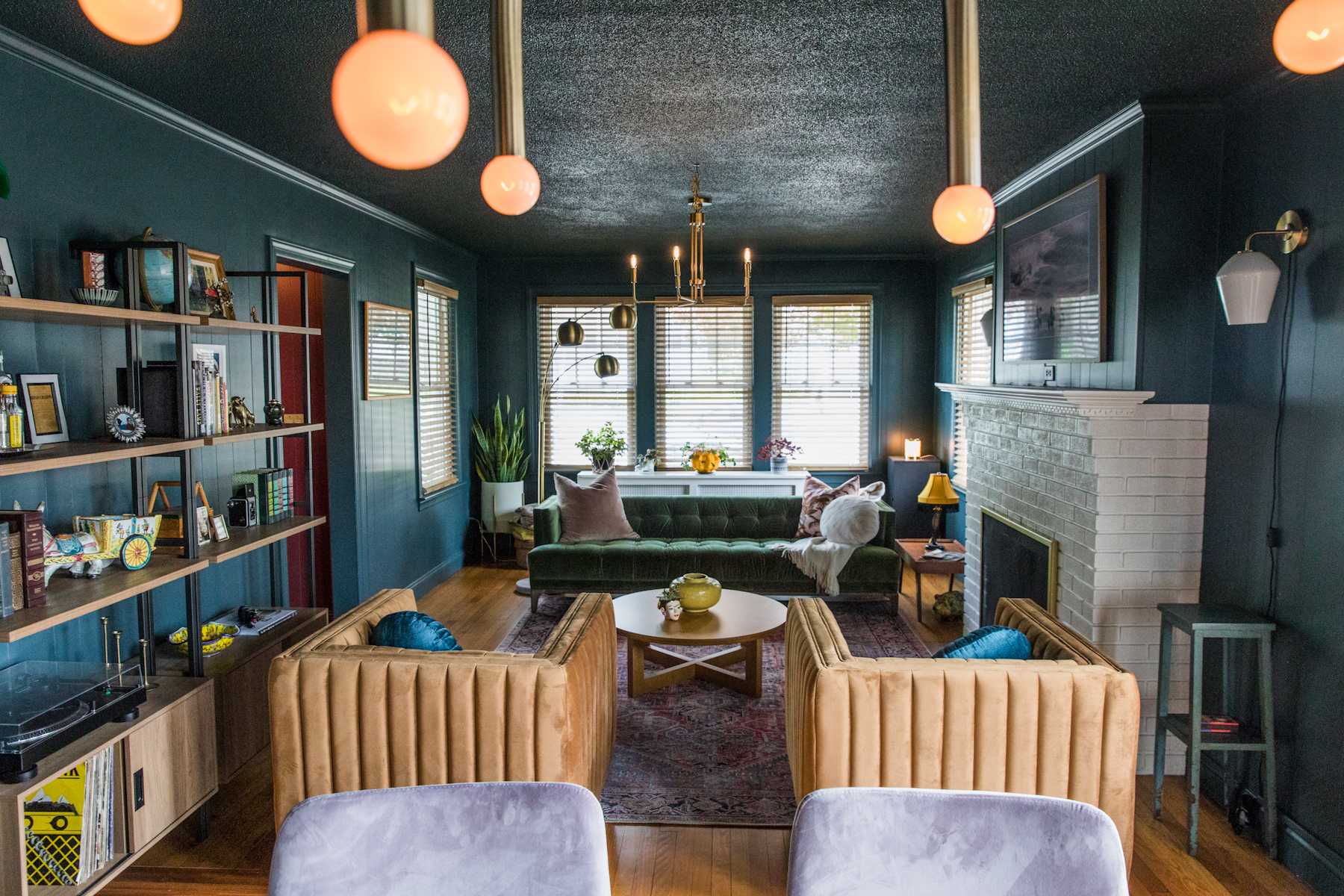
2. Rich, Grounded Color Palettes Gone are the days of cold grays dominating every room. 2026 favors warm neutrals (wheat, caramel, terracotta), deep moody tones (plum, oxblood, transformative teal), and earthy greens. These colors promote emotional stability and comfort—warm hues spark conversation and coziness, while greens evoke calm and regeneration.
Layer them with natural textiles for depth. A terracotta accent wall paired with cream upholstery feels grounded yet sophisticated.
3. Curves, Sculptural Forms, and Textural Layers Organic shapes, fluted millwork, and skirted furniture add softness and movement. Mixed wood tones (light oak with dark walnut) create visual interest without matching everything perfectly. “Grandma chic” and nostalgia rule—think vintage heirlooms, personal mementos, and thoughtful maximalism that tells your story.
4. Modern Heritage and Personal Storytelling Homes are becoming curated collections rather than showrooms. Wallpapered ceilings, statement stone, and decorative piping bring personality. Less emphasis on wide-open floor plans means cozier, defined zones that foster connection.
Room-by-Room Inspiration for 2026 Living and Dining Areas Open-concept spaces still thrive but with softer boundaries. Mix sculptural sofas, layered rugs, and bold art. Warm lighting and mixed textures create inviting zones for entertaining or relaxing.

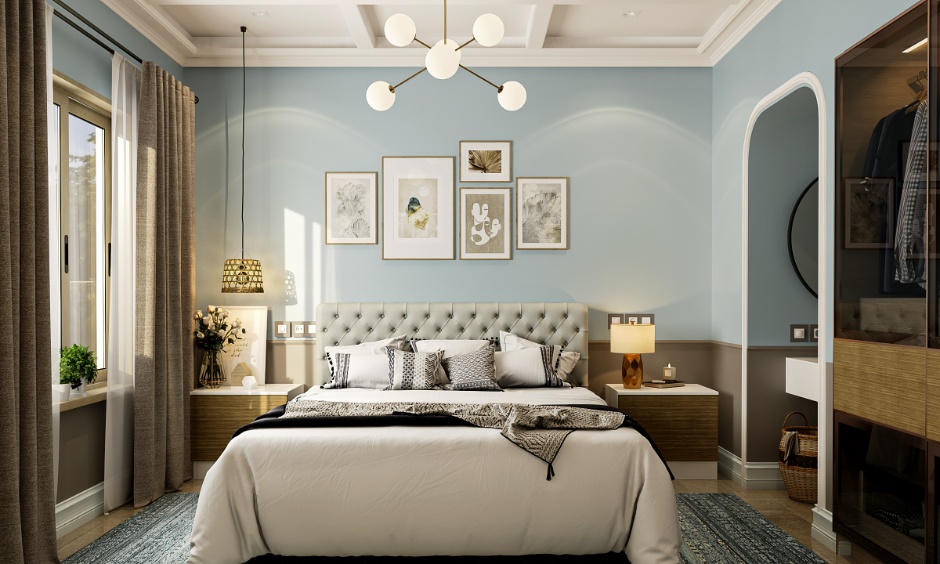
Bedrooms: Your Personal Sanctuary Focus on rest with soft blues or warm neutrals, tufted headboards, and layered bedding. Natural light and plants enhance sleep quality. Smart lighting that mimics circadian rhythms is a game-changer for wellness.
Bathrooms: Spa-Like Retreats Natural stone, warm wood accents, and built-in shelving turn bathrooms into rejuvenating escapes. Large windows and calming palettes promote relaxation.

Practical Tips to Get Started
- Start small: Paint one wall in a trending terracotta or teal to test the mood.
- Prioritize lighting: Maximize natural light and layer ambient, task, and accent fixtures.
- Choose sustainable swaps: Opt for bamboo flooring, low-VOC paints, and Energy Star appliances.
- Declutter strategically: Organized spaces reduce anxiety—use hidden storage to maintain calm.
- Mix old and new: Incorporate one vintage piece per room for instant personality and nostalgia.
- Budget-friendly hack: Thrift stores and online marketplaces are goldmines for unique, sustainable finds that align with 2026’s personal storytelling trend.
The Long-Term Benefits of Investing in Design A thoughtfully designed home doesn’t just look good—it supports your lifestyle. Studies link biophilic elements to better productivity and lower stress. Sustainable choices save money on utilities while protecting the planet. And personalized spaces foster emotional well-being, making everyday life more enjoyable.
Ready to Transform Your Space? 2026 is the year to create a home that reflects who you are today—and supports who you want to become. Whether you DIY with trending colors and textures or hire a professional for a full wellness-focused redesign, the results will pay dividends in comfort, health, and joy for years to come.
What’s your favorite 2026 trend? Share in the comments or start with one small change this weekend. Your dream home is closer than you think—and it can be as beautiful as it is beneficial.